
Summary
Understanding how long before dementia needs care varies greatly from person to person, as cognitive decline follows different timelines based on individual health, condition type, and quality of early support. Families benefit from recognizing the stages of decline to ensure their loved ones receive appropriate care when needed.
- Early-stage memory loss typically lasts 2 to 4 years, during which individuals maintain much of their independence while experiencing occasional memory lapses
- Middle-stage cognitive changes often last 2 to 6 years and usually prompt families to consider more consistent support with daily tasks
- Advanced memory loss typically emerges 5 to 10 years after diagnosis, requiring specialized care environments focused on safety and comfort
- Physical activity, social engagement, proper nutrition, quality sleep, and family support can help slow cognitive decline during earlier stages
- Communities offering multiple care levels allow residents to transition between Independent Living with supportive services, Assisted Living, and specialized memory care without relocating
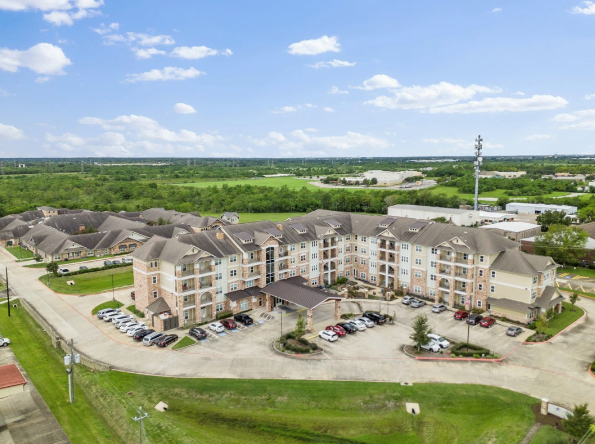
One of the most common questions families ask is how long before dementia needs care. The answer varies from person to person, since cognitive decline doesn't follow a universal timeline. Some individuals need support within 2 to 4 years of diagnosis. Others maintain independence for 8 to 10 years or longer. The dementia progression timeline depends on the type of cognitive condition, overall health, and the quality of support received early on. Families in Webster, TX, can explore the continuum of care at Discovery Village Clear Lake.
Early signs often appear gradually, with family members noticing small changes in memory or daily routines. Understanding that cognitive changes happen in stages helps families recognize when additional support becomes helpful, so their family member gets the right care at the right time.
The Early Stage: Recognizing When Support Becomes Helpful
During early stages of dementia, individuals often keep much of their independence while experiencing occasional memory lapses. This phase typically lasts 2 to 4 years from diagnosis, though some remain here longer. Many families find that introducing gentle support during this time helps their family member maintain confidence and quality of life.
Active Independent Living paired with the community's senior living programs can offer an ideal setting during this stage. Residents keep their own apartment homes and independence while having access to:
- Wellness checks to monitor health and well-being
- Medication reminders to help ensure proper medication management
- Social engagement opportunities that support cognitive function through structured programs and meaningful connections
The early dementia to memory care timeline often includes a transitional period where families notice growing difficulty with complex tasks like managing finances or following recipes. Many find peace of mind knowing more support is close by when it's needed.
Middle Stage Considerations: When Does Memory Loss Require Help
The middle stage typically calls for more consistent support, as individuals may experience confusion with daily tasks, changes in sleep patterns, or difficulty with personal care. This phase often lasts 2 to 6 years and is when most families begin considering specialized care. Understanding when does memory loss require help becomes clearer here as day-to-day challenges increase.
Assisted Living at Discovery Village Clear Lake supports middle-stage cognitive changes, offering help with daily tasks while respecting each person's dignity and remaining abilities. Associates build personalized plans that adapt as needs change and weave in memory-supportive programming so residents can still take part in meaningful routines, communicating in ways that reduce frustration for everyone involved.
Advanced Memory Loss: Specialized Care Environments
As cognitive changes progress into later stages, specialized memory care becomes the most appropriate option. This phase focuses on comfort, safety, and preserving dignity through a person-centered approach. How fast does dementia progress varies considerably, but this stage often occurs 5 to 10 years after diagnosis, depending on overall health and the specific type of cognitive condition.
SHINE® Memory Care at Discovery Village Clear Lake features a secure neighborhood built around research-backed programming. Thoughtful elements support daily life:
- Visual cues and simplified layouts that reduce confusion and support wayfinding
- Specialized programming that supports cognitive function while maintaining safety
- Associates with extensive training in dementia care who provide compassionate support during difficult moments
Factors That Influence the Dementia Progression Timeline
Several elements affect Alzheimer's stages and care needs as cognitive changes advance. The type of condition plays a role, with Alzheimer's typically progressing more slowly than vascular dementia or frontotemporal dementia. Overall health, including heart health and diabetes management, also shapes decline rates.
Social engagement and mental stimulation can help slow progression during earlier stages. Research shows people who stay engaged in community life and maintain social connections often experience slower decline. Factors that support cognitive function longer include:
- Physical movement throughout the day
- Proper nutrition that supports brain health
- Quality sleep and consistent sleep patterns
- Steady routines and reduced stress in daily life
Family support and living environment matter tremendously. Individuals with appropriate support often maintain their abilities longer than those facing daily confusion or isolation at home.
Planning Ahead: Creating a Supportive Path Forward
Understanding cognitive changes and care needs helps families make proactive decisions. Visiting senior living communities early lets families explore options and see what supportive environments actually look like.
Because Discovery Village Clear Lake offers Active Independent Living, Assisted Living, and SHINE® Memory Care all in one place, residents can move between levels of support as needs change without relocating, keeping familiar faces and surroundings throughout the journey.
Frequently Asked Questions
How long before dementia needs care? It depends on the individual, but many people need some added support within 2 to 6 years of diagnosis, with more advanced needs emerging later.
Can a resident move between living options without leaving the community? Yes. With Active Independent Living, Assisted Living, and SHINE® Memory Care on one campus, residents can transition as needs change.
What makes SHINE® Memory Care different from standard memory support? It's built on research and personalization, with associates trained specifically to support cognitive engagement and safety.
While the question of "how long before dementia needs care" does not have a single answer, planning early gives families time to find the right support. Schedule a tour at Discovery Village Clear Lake to see how the community supports every stage of the journey.